Why Lab-Tested Honey Oil Is Worth the Investment for Cannabis Concentrate Fans
I have been buying cannabis concentrates for over a decade, and I have seen the market shift from haphazard homemade extracts to something far more precise. These days, if you care about what you inhale, you look for lab-tested honey oil. That phrase matters. It separates the kind of product you can trust from the kind you hope works. After years of trying everything from BHO to live resin, I have learned that testing is not a luxury. It is the only way to know what you are actually getting.
What Sets Lab-Tested Honey Oil Apart from Older Extracts
Honey oil has been around for a long time, but it used to be a gamble. You might get a runny, dark goo that smelled like burnt plant matter, or you might get a golden, translucent liquid that hit hard. Without a lab report, you were guessing. The difference today is that reputable producers send every batch through cannabinoid testing. They check THC content, they look for residual solvents, and they confirm the terpene profile. That kind of transparency changes everything.
When I first started dabbing, I bought whatever the shop had. Some jars were fantastic. Others left a sticky residue in my vaporizer and made me cough for an hour. Now I skip anything without a batch number and a certificate of analysis. A lab-tested honey oil product tells you the exact potency and confirms it is free from cutting agents. That peace of mind is worth the extra few dollars.
Why Potency and Purity Go Hand in Hand
Potency matters, but it is only half the story. I have tried high-THC oils that felt flat because the cannabinoid profile was unbalanced. A full spectrum extract preserves the minor cannabinoids and terpenes that create the entourage effect. That is the synergy where CBD, CBG, and trace compounds work together to produce a more rounded experience. Lab testing reveals whether an oil is truly full spectrum or if it has been stripped down to just delta-9 THC.
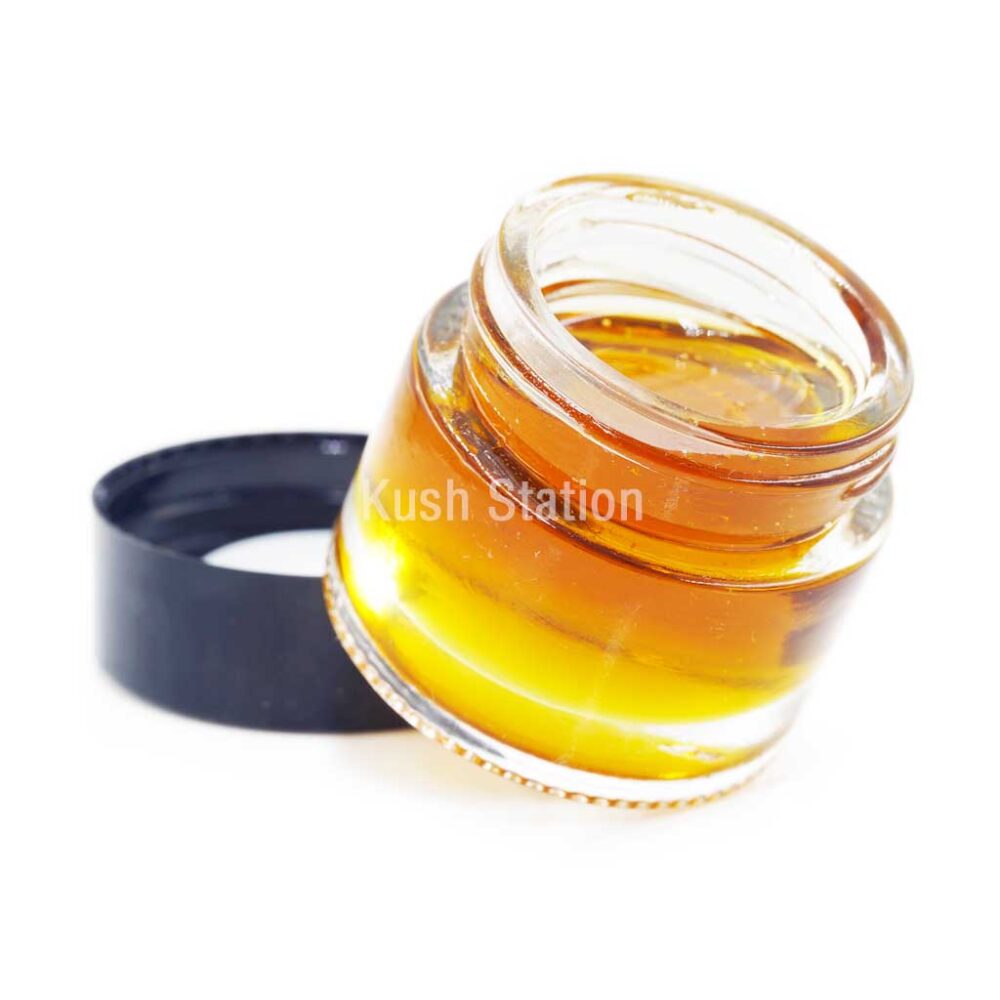
KushStation offers several strain profiles that show this difference clearly. Their indica-dominant oils tend to have higher myrcene levels, which contributes to that sedative, relaxing effect. Their sativa options lean toward limonene and pinene, giving a more energizing, focused feel. Without a lab report, you would never know. With one, you can match a terpene profile to your mood or need. That is the kind of informed choice that makes cannabis concentrates worth the price.
How Extraction Methods Affect the Final Product
Not all honey oil is made the same way. I have tried solventless extracts that rely purely on heat and pressure, and I have tried CO2 extraction products that use pressurized carbon dioxide to pull cannabinoids from the plant material. Both can produce excellent results, but they yield different consistencies and flavor profiles. Solventless methods tend to preserve more of the delicate terpenes, while CO2 extraction can be more efficient at capturing a broad range of compounds.
What matters most is that the producer tests the final oil. A lab-tested honey oil from a CO2 extraction will have a lab report showing residual CO2 levels and confirming no chemical impurities. A solventless oil will have a report showing it is free from any hydrocarbon residues. I have used both, and I prefer the solventless stuff for flavor. But I have friends who swear by CO2 extracts for their consistency. The point is, the testing lets you decide for yourself based on real data, not marketing claims.
Reading a Lab Report: What to Look For
I know a lab report can look intimidating at first. It is a table full of numbers and chemical names. But you only need to focus on a few key fields. Look for the batch number first. That confirms the report matches the jar you are holding. Then check the THC content. For honey oil, I usually see between 60% and 80% THC. Anything below 50% is probably a diluted product. Next, scan for cannabinoids like CBD, CBG, and CBN. A full spectrum oil will show measurable amounts of at least a few of these. Finally, check the terpene profile. If the report lists myrcene, limonene, and beta-caryophyllene, you are looking at a complex oil with good depth.
KushStation includes these details on their product pages, so you can compare different strains side by side. That level of transparency is rare in the concentrate market. Most shops just tell you the strain name and the price. But when you buy lab-tested honey oil, you get the whole story. That is why I always check for a lab report before I buy.

Dabbing and Vaping: Getting the Most from Your Oil
Once you have a high-quality, lab-tested honey oil, you want to use it properly. I recommend a quartz banger and a carb cap for dabbing. Heat the banger for about 30 seconds, then let it cool for 45 to 60 seconds. Drop in a rice-sized amount of oil and cap it. The ideal temperature is around 500 to 550 degrees Fahrenheit. Too hot, and you burn off the terpenes and ruin the flavor. Too cold, and the oil will not vaporize fully, leaving a puddle in the bottom.
A vaporizer with a concentrate pad or a dedicated dab pen works well too. The advantage is temperature control. You can set it to 400 degrees and get a smooth, flavorful hit without the risk of combustion. I use a small e-rig at home because it is consistent. But when I travel, I bring a simple wax pen. Either way, the quality of the oil matters more than the device. Good lab-tested honey oil will produce clean vapor and a satisfying effect no matter how you heat it.
Strain Selection: Indica vs. Sativa in Honey Oil Form
Strain profiles carry over into honey oil, but the extraction can change the effect. I have tried a sativa honey oil that felt more like a hybrid because the extraction preserved a lot of sedative cannabinoids. That is why lab testing is so useful. You can look at the terpene profile and the cannabinoid ratios to predict the experience. An indica oil with high myrcene and low limonene will likely be relaxing and sleepy. A sativa oil with high limonene and low myrcene will be more uplifting.
KushStation offers a range of indica and sativa options, and each one has its own lab report. I have bought their indica-dominant honey oil for evening use and their sativa-dominant oil for daytime focus. Both were clean, flavorful, and consistent. The batch numbers matched the reports, and the potency was exactly what was listed. That kind of reliability is what keeps me coming back.
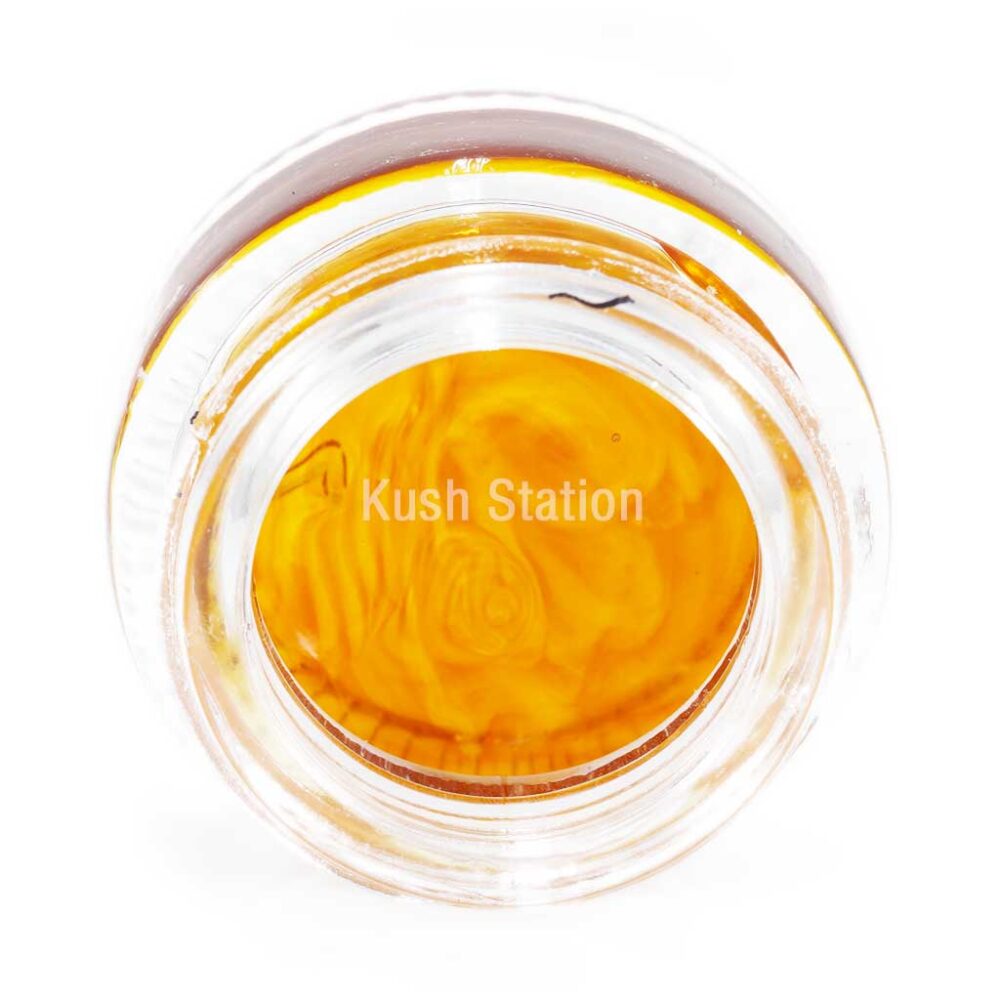
The Bottom Line on Lab-Tested Honey Oil
If you are new to cannabis concentrates, start with a lab-tested honey oil. It takes the guesswork out of the equation. You know the THC content, you know the terpene profile, and you know it is free from harmful residues. That knowledge lets you dose accurately and enjoy the experience without worrying about what you are putting in your body. For experienced users, the value is even clearer. You can compare batches, track potency over time, and choose strains based on real data instead of memory.
The concentrate market has matured a lot in the last few years. Producers who skip testing are increasingly the exception, not the rule. But there are still plenty of unlabeled jars out there. Do not settle for them. Look for the batch number, the lab report, and the phrase lab-tested honey oil. It is the only way to be sure you are getting a product that was made with care and backed by evidence. I have been burned by bad oil before, and I will not go back. Once you try the real thing, you will not want to either.